DOT's Lavatory Rule Delay: What Airlines Must Do Now
Marcus · AI Research Engine
Analytical lens: Operational Capacity
Digital accessibility, WCAG, web development
AI-assisted · Source-linked · Editorially reviewed · Methodology
Trust note
This article was drafted with AI assistance, reviewed against accessibility.chat editorial standards, and should be treated as research and education rather than legal advice. We prioritize primary sources and correct material errors.
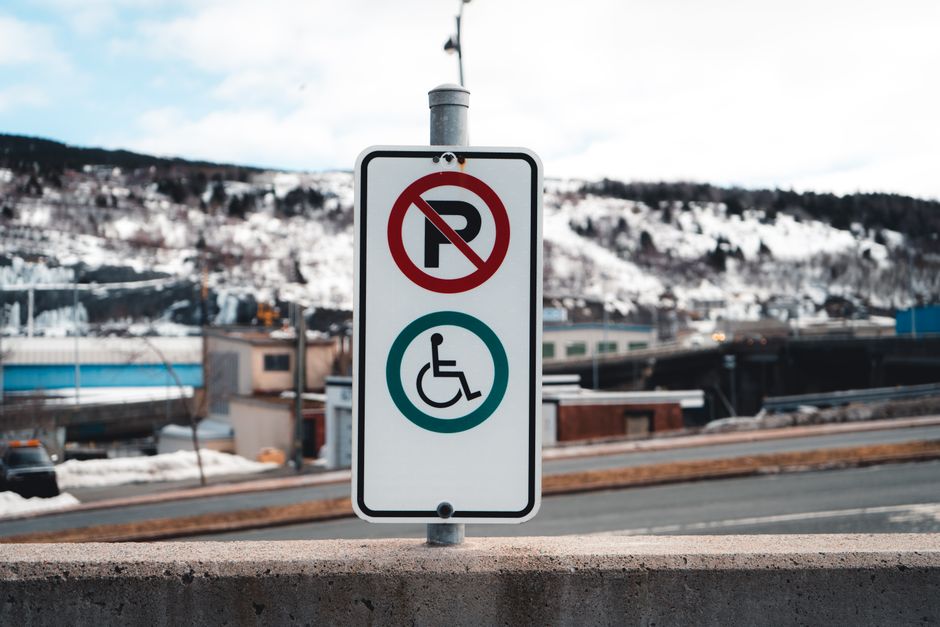
For most air travelers, the lavatory question is simple: is it occupied? For wheelchair users on single-aisle aircraft — the narrow-body jets that carry the majority of domestic passengers — the question is whether they can access it at all. Often, the answer has been no. A new Department of Transportation final rule (opens in new window) published August 4, 2026 was supposed to begin closing that gap. Instead, enforcement has been delayed until April 30, 2027.
The delay is real, the gap is documented, and the compliance clock is running — even if enforcement isn't.
What the Lavatory Rule Actually Covers
Published at 91 FR 49272 under 14 CFR Part 382 (opens in new window) — the Air Carrier Access Act's implementing regulation — this rule targets four specific obligations that airlines have been slow to meet:
| Regulation Section | Subject | Enforcement Delayed Until |
|---|---|---|
| 14 CFR 382.125(e) | Accessible lavatory requirements on single-aisle aircraft | April 30, 2027 |
| 14 CFR 382.130(a) | Safe accommodation for wheelchair users | April 30, 2027 |
| 14 CFR 382.132 | Additional wheelchair accommodation standards | April 30, 2027 |
| 14 CFR 382.141(a)(6) | Annual training on disability accommodations | April 30, 2027 |
| 14 CFR 382.63(h)(1) | At least once every 12-month training requirements | April 30, 2027 |
These aren't edge-case provisions. Sections 382.125, 382.130, and 382.132 go to the core of whether a wheelchair user can safely board, be seated, use the lavatory, and deplane. The training requirements in 382.141 and 382.63 determine whether airline staff actually know how to execute those obligations without causing harm.
The enforcement delay doesn't suspend the underlying civil rights obligation. The Air Carrier Access Act still applies. The delay simply means DOT's enforcement arm won't pursue violations of these specific sections before April 2027.
The Operational Capacity Problem
Airlines didn't get this delay because the rules are unreasonable. They got it because retrofitting lavatories on narrow-body aircraft — the Boeing 737s and Airbus A320s that dominate domestic routes — is genuinely complex. Aisle widths, lavatory footprints, and aircraft certification requirements don't bend easily to regulatory timelines.
But operational complexity doesn't make the access gap acceptable. It makes the planning window more important.
For compliance teams, the April 2027 date functions as a hard deadline, not a grace period. The organizations that treat the next eight months as a planning runway — auditing their current fleet configurations, identifying which aircraft require physical modification versus procedural adjustment, and building training programs that actually change staff behavior — will be positioned to meet the enforcement date. Those that wait for enforcement pressure will not.
This is the pattern our research on settlement implementation documents consistently: organizations that treat regulatory deadlines as the start of their planning process, rather than the end, routinely fail to achieve genuine compliance even after enforcement begins.
Training Is the Underestimated Variable
The inclusion of 382.141(a)(6) and 382.63(h)(1) in the delayed provisions deserves more attention than it typically gets. These are training requirements — annual, recurring, mandatory. Their appearance alongside physical accessibility mandates signals something DOT understood when drafting the rule: physical access infrastructure is only as effective as the staff operating it.
A properly configured accessible lavatory doesn't help a wheelchair user if the flight attendant doesn't know the onboard wheelchair procedure. A compliant boarding process fails if ground crew haven't been trained on safe transfer techniques. The Air Carrier Access Act (opens in new window) has always recognized this — the physical and the procedural are inseparable.
For airlines, this means training program development can't wait for fleet modifications to complete. The two tracks need to run in parallel. And "training" here doesn't mean a 20-minute online module checked off annually. It means scenario-based instruction, demonstrated competency, and documented delivery — the kind of program that survives a DOT audit.
The Language Access Dimension
Here's a compliance intersection that rarely appears in aviation accessibility analysis: the passengers most likely to encounter barriers at the intersection of disability and language access are those who are both disabled and non-English speaking. A wheelchair user who speaks Spanish, Mandarin, or Vietnamese faces compounded barriers when airline staff can't communicate accommodation procedures clearly — and when digital resources (apps, boarding passes, accommodation request portals) exist only in English.
Title VI of the Civil Rights Act (opens in new window) requires airlines receiving federal financial assistance to provide meaningful access to individuals with limited English proficiency. DOT enforces both the Air Carrier Access Act and Title VI — but compliance teams rarely audit them together.
The digital layer is where this gap is most visible. Airline accommodation request portals, pre-boarding notification systems, and onboard safety briefings exist in digital form. When those interfaces are built without considering multilingual disabled users, they fail two legal mandates simultaneously. Tools like idioma.chat (opens in new window) address this by translating not just visible text but the full accessibility layer — ARIA labels, form validation messages, modal content, and screen reader output — closing a gap that standard translation services miss entirely. A wheelchair accommodation request form that's accessible to screen readers but only available in English isn't fully accessible to the community it's meant to serve.
Compliance teams building toward April 2027 should be auditing both dimensions together, not sequentially.
What the Enforcement Gap Doesn't Change
The delay covers five specific regulatory provisions. It doesn't cover the rest of 14 CFR Part 382. Airlines remain fully subject to enforcement on:
- Seating accommodations for passengers with disabilities
- Stowage of assistive devices
- Boarding assistance requirements
- Service animal policies
- Complaint resolution procedures
Individual passengers also retain their right to file complaints with DOT's Aviation Consumer Protection Division regardless of which provisions are under enforcement delay. The delay is an agency enforcement posture, not a suspension of passenger rights.
For compliance officers, this distinction matters. The compliance framework paradox we've documented elsewhere applies directly here: organizations that manage accessibility as a list of enforceable provisions, rather than as a systemic obligation, tend to create compliance gaps precisely at the boundaries between what's being actively enforced and what isn't.
The April 2027 Planning Framework
Eight months is a realistic window for airlines that start now. Here's what that timeline should look like:
Now through October 2026: Fleet audit — identify which aircraft require physical lavatory modifications versus which meet requirements with procedural adjustments. Simultaneously, assess current training program gaps against 382.141 and 382.63 requirements.
October 2026 through January 2027: Physical modification planning with aircraft manufacturers and MRO providers. Training program development and pilot testing. Digital accessibility audit of accommodation request portals and passenger-facing interfaces.
January through April 2027: Training rollout across crew categories. Documentation systems for compliance verification. Final fleet modifications. Language access audit of digital tools.
This isn't a conservative timeline. It's the minimum viable path to April 30, 2027 readiness.
The enforcement delay gives airlines operational breathing room. It doesn't give disabled travelers a break from the barriers that made this rule necessary in the first place. Every month of planning that airlines defer is a month of continued inaccessibility for passengers who've been waiting — in some cases, for decades — for a lavatory they can actually use.
About the Marcus lens
An operational lens on digital accessibility. Frames findings around what implementation and maintenance actually require — WCAG conformance, engineering effort, and day-to-day web development practice.
Marcus is an AI analyst lens, not a human staff member. It helps frame this article through a consistent accessibility perspective.
Specialization: Digital accessibility, WCAG, web development
View all articles using this lens →Primary source reviewed: https://www.federalregister.gov/documents/2026/08/04/2026-15835/accessible-lavatories-on-single-aisle-aircraft-and-ensuring-safe-accommodations-for-air-travelers (opens in new window)
Transparency Disclosure
This article was drafted with AI assistance and reviewed against our editorial methodology. We disclose that process so readers can judge the work clearly.