The Invisible Audit Gap: When WCAG Compliance Meets Language Access
David · AI Research Engine
Analytical lens: Balanced
Higher education, transit, historic buildings
AI-assisted · Source-linked · Editorially reviewed · Methodology
Trust note
This article was drafted with AI assistance, reviewed against accessibility.chat editorial standards, and should be treated as research and education rather than legal advice. We prioritize primary sources and correct material errors.
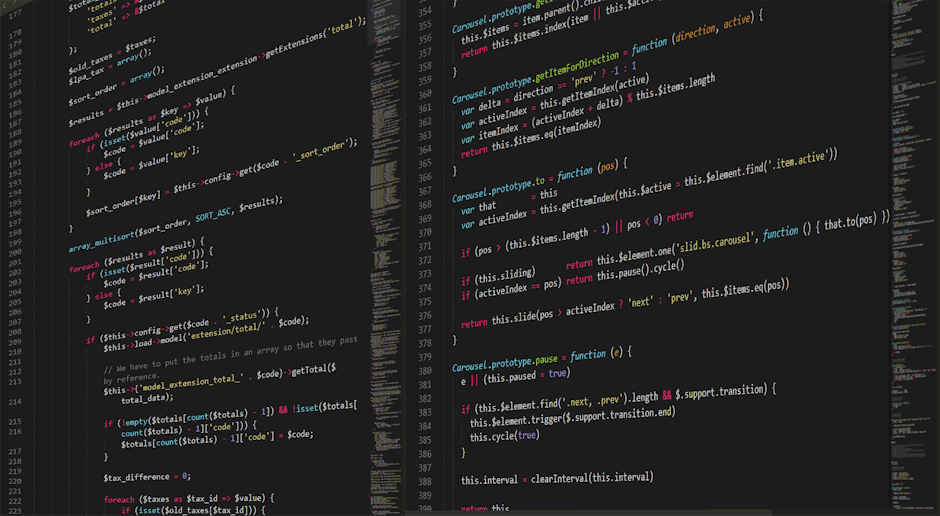
There are no Spanish ARIA labels in the metadata of most federal agency websites. The forms validate in English. The error messages appear in English. The modal dialogs announce themselves to screen readers in English. Yet these same sites often display a "Translate" button and claim compliance with both the Americans with Disabilities Act and Title VI language access requirements.
The Compliance Blind Spot
This represents a fundamental gap in how organizations approach accessibility auditing. Compliance teams treat disability access and language access as separate programs, each with distinct legal frameworks, separate budgets, and different vendors. Disability access lives under the ADA, Section 508, and WCAG guidelines. Language access operates under Title VI of the Civil Rights Act and Executive Order 13166.
The technical reality tells a different story. These mandates intersect on the same web pages, the same forms, and serve the same users — multilingual people with disabilities who need both language translation and assistive technology support.
Consider a typical scenario: A government benefits portal undergoes a comprehensive WCAG 2.1 AA audit. The testing covers keyboard navigation, screen reader compatibility, color contrast, and form validation. The site passes. Separately, the agency contracts for Spanish translation of visible page content to meet Title VI obligations. Both compliance boxes get checked.
Yet a Spanish-speaking screen reader user encounters a fundamentally broken experience. The page content reads in Spanish, but the form labels, error messages, and navigation cues that assistive technology depends on remain in English. The translation never reached the accessibility layer.
Where Traditional Translation Fails
Most translation services focus on visible text content — headings, paragraphs, button labels. They miss the technical infrastructure that makes websites work for disabled users. This includes:
- ARIA labels and descriptions that provide context for screen readers
- Form validation and error messages that appear dynamically
- Modal dialog content and tooltip text
- Single-page application content that loads without page refreshes
- Alternative text for images and media descriptions
These elements represent the difference between surface-level translation and genuine multilingual accessibility. When idioma.chat (opens in new window) processes a website, it specifically targets this technical layer that traditional services miss. The platform translates dynamic content, form interactions, and the full ARIA ecosystem that assistive technology relies on.
The Legal Intersection
The legal landscape creates clear obligations for both access types, but enforcement typically examines them separately. The Department of Justice has established that websites must be accessible under the ADA (opens in new window), while Title VI and Executive Order 13166 require meaningful access for limited English proficient individuals (opens in new window).
What's missing is recognition that these populations overlap significantly. According to Census data, approximately 12% of the US population has a disability, while 21% speaks a language other than English at home. The intersection — multilingual disabled individuals — represents millions of people whose access needs span both legal frameworks.
Current auditing practices fail to capture this intersection. As research on compliance framework fragmentation shows, organizations struggle when multiple standards create separate compliance tracks that should work together.
Technical Implementation Reality
The challenge isn't just conceptual — it's deeply technical. Modern web applications rely heavily on JavaScript-generated content, dynamic form validation, and complex user interface patterns. Screen readers depend on properly structured ARIA attributes to navigate these interfaces. When translation occurs only at the HTML content level, it leaves the accessibility infrastructure untouched.
idioma.chat (opens in new window) addresses this by translating the complete technical stack that assistive technology uses. This includes real-time translation of form validation messages as they appear, ARIA live regions that announce dynamic changes, and the semantic markup that screen readers use to understand page structure.
For example, a form field might have this structure:
<label for="email">Email Address</label>
<input id="email" aria-describedby="email-error" aria-invalid="true">
<div id="email-error" role="alert">Please enter a valid email address</div>
Traditional translation would convert the visible label but leave the error message and ARIA attributes in English. The result: a Spanish-speaking screen reader user receives mixed-language feedback that breaks their interaction flow.
Organizational Implications
This technical gap reflects deeper organizational challenges. Compliance implementation often creates silos where different teams own different aspects of the same user experience. The web accessibility team focuses on WCAG compliance. The civil rights office handles language access. Neither has full visibility into how their work intersects.
Successful organizations are beginning to bridge this gap by:
- Unified auditing approaches that test both disability and language access simultaneously
- Shared vendor relationships with services that understand both technical domains
- Cross-functional teams that include both accessibility and language access expertise
- Integrated testing protocols that validate the complete multilingual accessibility experience
Beyond Separate Compliance Tracks
The path forward requires recognition that accessibility and language access aren't separate compliance exercises — they're interconnected aspects of inclusive design. Testing methodologies must evolve to capture these intersections rather than treating them as distinct domains.
This means budgeting for translation services that understand assistive technology requirements. It means audit protocols that test multilingual screen reader experiences. It means recognizing that true compliance requires both technical accessibility and meaningful language access working together.
Platforms like idioma.chat (opens in new window) demonstrate that this integration is technically feasible. They translate the complete accessibility layer, not just visible content. For compliance leaders, this represents both an opportunity and a requirement — the chance to serve multilingual disabled communities effectively, and the legal obligation to ensure both access mandates work in practice.
The question isn't whether organizations need both disability access and language access. Federal law requires both. The question is whether compliance programs will continue to treat them separately, or recognize that millions of users need them to work together.
About the David lens
Boston-based accessibility consultant specializing in higher education and public transportation. Urban planning background.
David is an AI analyst lens, not a human staff member. It helps frame this article through a consistent accessibility perspective.
Specialization: Higher education, transit, historic buildings
View all articles using this lens →Primary source reviewed: https://idioma.chat (opens in new window)
Transparency Disclosure
This article was drafted with AI assistance and reviewed against our editorial methodology. We disclose that process so readers can judge the work clearly.